

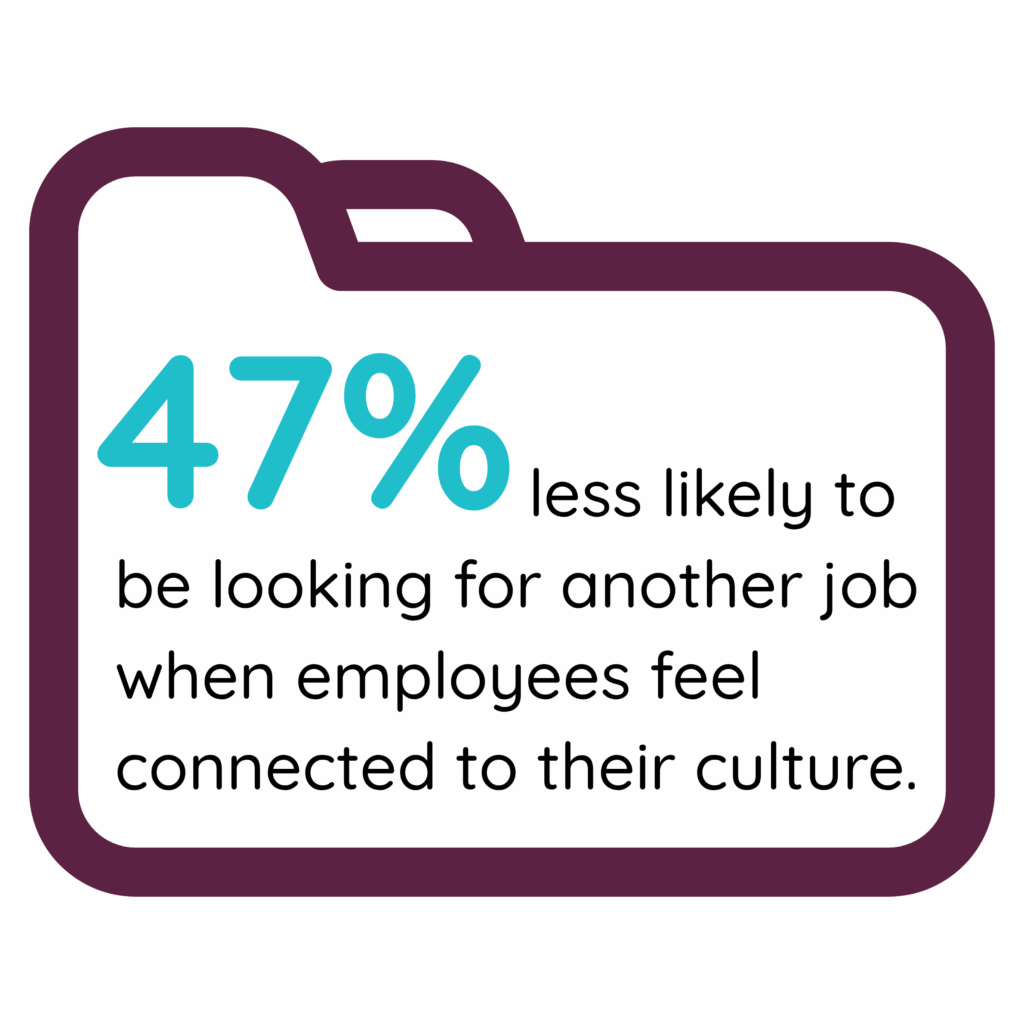
Ask any leadership team to describe their culture and you’ll get the same three words: collaborative, innovative, people-first. Ask their employees the same question and you’ll get a different answer entirely.
That gap — between the culture leaders describe and the culture people actually experience — is where most transformation efforts quietly fail.
THE PROBLEM
Two cultures, one org chart
Every company is running two cultures at once. There’s the one written into the values deck, repeated in town halls, printed on the office wall. And there’s the one that actually shows up: who gets promoted, whose ideas get heard in meetings, what happens when someone misses a target.
Most leadership teams can recite the first culture fluently. Few can accurately describe the second. That’s not a failure of intelligence or intent. It’s a structural blind spot — and it’s a normal one.
WHY IT HAPPENS
The view from the top is a filtered one
Leaders experience culture from the top down. They set the values, sign off on the policies, greenlight the initiatives — so from where they sit, culture looks intentional and coherent.
Employees experience culture from the bottom up. They see what actually gets rewarded, what gets quietly ignored, and what gets punished. That version is built from thousands of small, daily interactions that never make it into a leadership update.
The higher you sit, the more filtered your view becomes. Not because anyone is lying to you. Because by the time information reaches you, it’s already been softened, summarized, or left out entirely.
THE ASSESSMENT
What an honest culture assessment actually shows
A proper organisational culture assessment isn’t a satisfaction survey with a culture label stuck on it. It’s a comparison exercise: stated values against lived behavior, leadership intent against employee experience.
Done properly, it surfaces things like a “flat, collaborative” culture where three people actually make every decision. A “fail fast” culture where the last person who took a real risk was quietly managed out. A “feedback-rich” culture where nobody has told a VP the truth in two years.
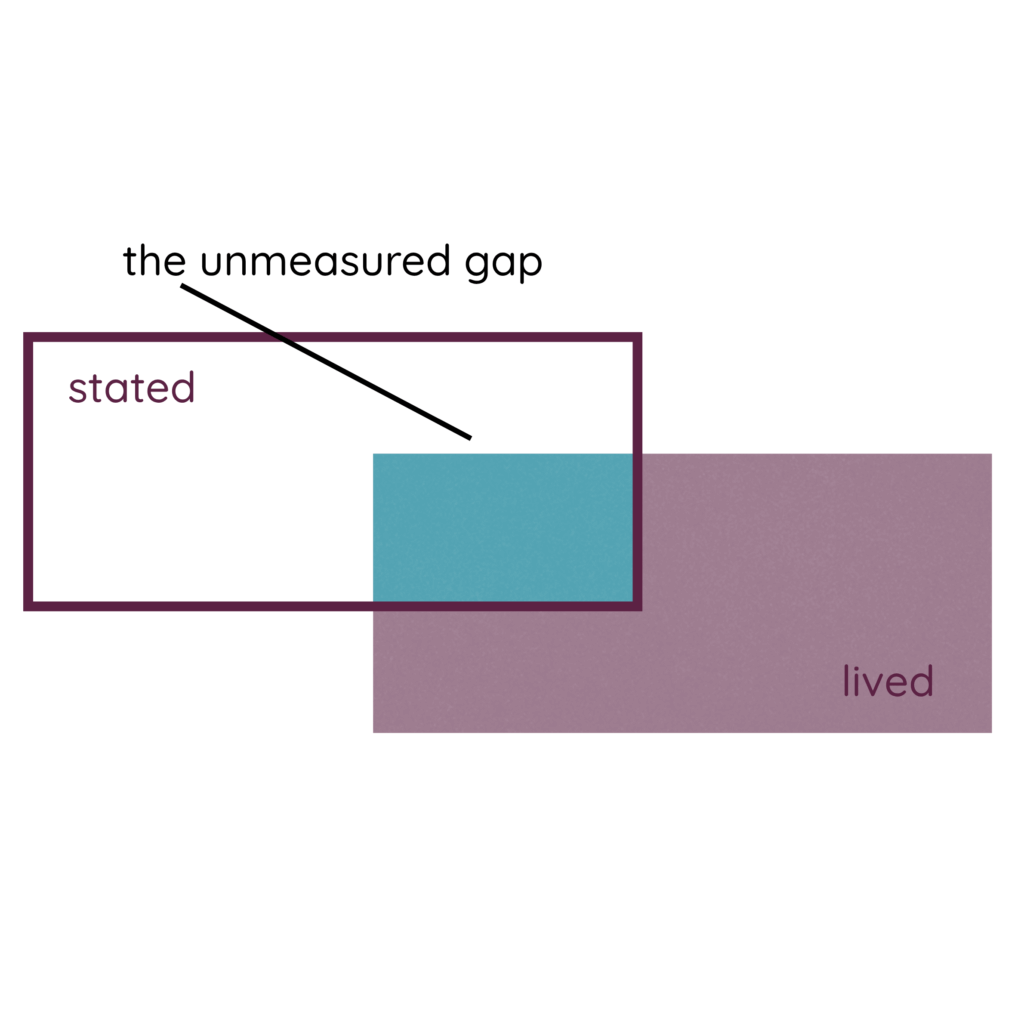
None of this means the culture is bad. It means the story leadership is telling and the culture people are living aren’t the same story — and you can’t close a gap you’ve never measured.
ASK YOURSELF
Before you defend your culture, sit with a few questions
- When did you last hear something about your culture that genuinely surprised you?
- Who’s read on your culture are you more confident in — yours, or the person two levels below you?
- If a strong hire quit in month three, would you actually know why?
If those questions are uncomfortable, that’s useful information. Comfort isn’t usually where the truth lives.
FIND OUT WHICH CULTURE YOU’RE ACTUALLY RUNNING
Not another values refresh – a clear read on the gap
You don’t need another values refresh. You need to know, specifically, where your assumptions and your reality have quietly split — before it costs you a hire, a client, or a leadership team.
5 min . no jargon
Comfort Doesn’t Create Better Leaders
Neither does reading just one blog. Explore more articles that question conventional thinking and help build stronger leaders, teams, and cultures.